Major sporting events attract global attention, yet their influence often reaches far beyond television audiences.
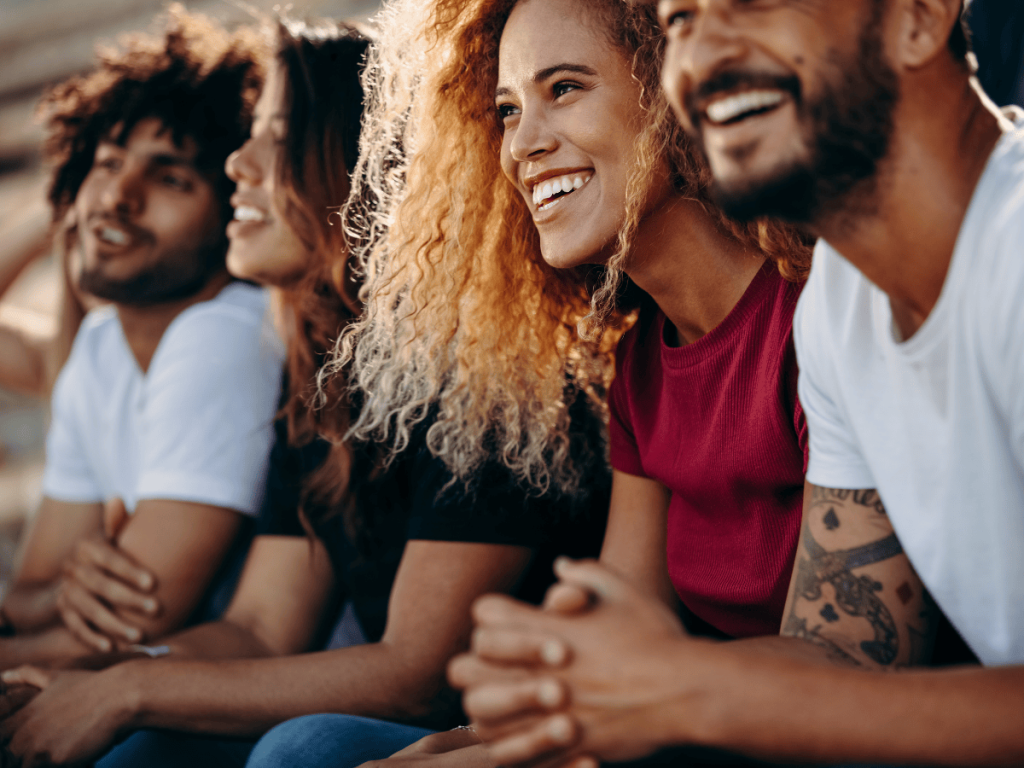
These occasions shape conversations in homes, workplaces and social spaces, creating shared moments that bring people together.
For many individuals, the visibility of elite competition introduces a renewed focus on movement, personal wellbeing and everyday fitness routines.
Watching athletes perform at a high level can shift how people think about their own activity levels, encouraging them to make gradual but meaningful lifestyle adjustments.
During tournament periods, public awareness of sport becomes more visible in daily routines. Fitness centres, local courts and outdoor training spaces often experience a noticeable rise in attendance.
This response reflects how large-scale competitions generate a collective sense of motivation. The connection between social experience and physical activity becomes stronger when individuals feel part of a wider sporting narrative.
Over time, these shared experiences can support the development of healthier patterns of behaviour.
The Physical Activity Surge During Major Sporting Events
Large sporting tournaments frequently coincide with changes in recreational habits across different age groups.
Participation patterns can shift as media coverage, public discussion and social engagement bring sport into sharper focus.
Increased gym visits, renewed interest in recreational leagues and higher usage of community sports facilities are commonly reported during high-profile events.
Tennis provides a clear example of this effect. During major tournaments such as Wimbledon, local clubs often report increased bookings and new membership enquiries. Similar patterns appear in other sports when national teams compete on prominent stages.

Exposure to professional performance helps reshape perceptions around effort, discipline and achievable personal progress. As spectators observe elite preparation and teamwork, many begin to reassess their own fitness goals.
This shift in mindset may reduce hesitation around starting new routines. Local venues frequently see more participation in beginner sessions, casual court bookings or group training classes.
Structured match-day settings connected to exclusive tennis hospitality packages often shape social sporting environments where spectators experience the intensity of elite competition alongside opportunities for shared physical engagement.
These experiences link the excitement of competition with social interaction and physical awareness, reinforcing the idea that sport can feel both motivating and accessible.
Social Connection Through Shared Sporting Experiences
Shared sporting moments often play a key role in strengthening social bonds. Community participation can help individuals maintain consistent activity levels by introducing accountability and encouragement within familiar networks.
Watching major events together frequently leads to informal conversations about personal goals, new training plans or upcoming group sessions.
Fitness centres and local clubs often align their seasonal activities with major tournament schedules. Viewing events may naturally lead into introductory classes or themed fitness challenges designed to sustain motivation beyond the final match.
Workplace wellbeing initiatives also use sporting calendars to organise group participation, encouraging colleagues to connect through shared physical goals.
Running groups sometimes schedule training sessions around televised marathons, while tennis communities coordinate court time during Grand Slam tournaments.
These structured opportunities help transform spectator enthusiasm into practical action. Physical activity becomes part of a collective routine rather than an isolated effort, making it easier for individuals to remain engaged over time.
Group environments also provide emotional support for those beginning new fitness journeys. Encouragement from peers can help reduce self-doubt and create a sense of belonging, reflecting recognised social benefits of group exercise that reinforce long-term commitment to active routines.
Translating Spectator Enthusiasm Into Personal Training Goals
Watching elite competition can create a short-term surge in motivation. When individuals respond by establishing clear routines, they are more likely to sustain progress over longer periods.
Trainers often notice increased attendance during major sporting events, suggesting that public interest in competition can influence commitment to structured exercise.
Setting activity targets linked to tournament timelines provides a useful framework for improvement.
For example, individuals may choose to increase weekly training sessions in the lead-up to a major final or track performance milestones across a season of competitions.
This approach helps transform inspiration into measurable outcomes, encouraging gradual development rather than irregular bursts of effort.
Digital fitness platforms frequently report higher engagement levels during widely followed events. Increased activity tracking, goal setting and participation in virtual challenges reflect how shared sporting narratives can shape personal routines.
When motivation is reinforced through consistent scheduling and visible progress, individuals are more likely to maintain their efforts once the tournament concludes.
Participation trends across multiple sports indicate that exposure to high-level performance can make physical activity feel more achievable.
Wider social behaviour shifts during major sports tournaments often reinforce the perception that structured training and shared goals are part of everyday routines rather than exceptional efforts.
Structured planning, realistic expectations and community involvement all support the transition from passive spectating to active participation.
Long-Term Activity Patterns Beyond Event Periods
Maintaining activity levels after major tournaments depends on how effectively initial motivation becomes part of daily routine.
Individuals who begin exercising during high-profile competitions may continue for months when early progress is supported by consistent planning and social engagement.
The habit-forming process often aligns with the recurring nature of global sporting calendars, where each new event cycle offers fresh opportunities for renewal.
Community sports programmes frequently benefit from this rhythm. Seasonal surges in participation can lead to more stable long-term membership patterns, particularly when local organisers provide accessible training pathways.
Structured schedules and inclusive environments support local group fitness participation, helping individuals move beyond short-term enthusiasm towards sustained involvement.
The emotional connection spectators feel during significant matches can translate into meaningful personal action. When individuals channel this energy into regular activity, the influence of the event extends well beyond the closing ceremony.
Major sporting events often spark short bursts of enthusiasm, yet their real value appears when inspiration becomes routine.
By maintaining consistent activity after tournaments end, individuals can transform shared moments of excitement into lasting personal progress.
Over time, this shift supports stronger social connections and more resilient everyday fitness habits.