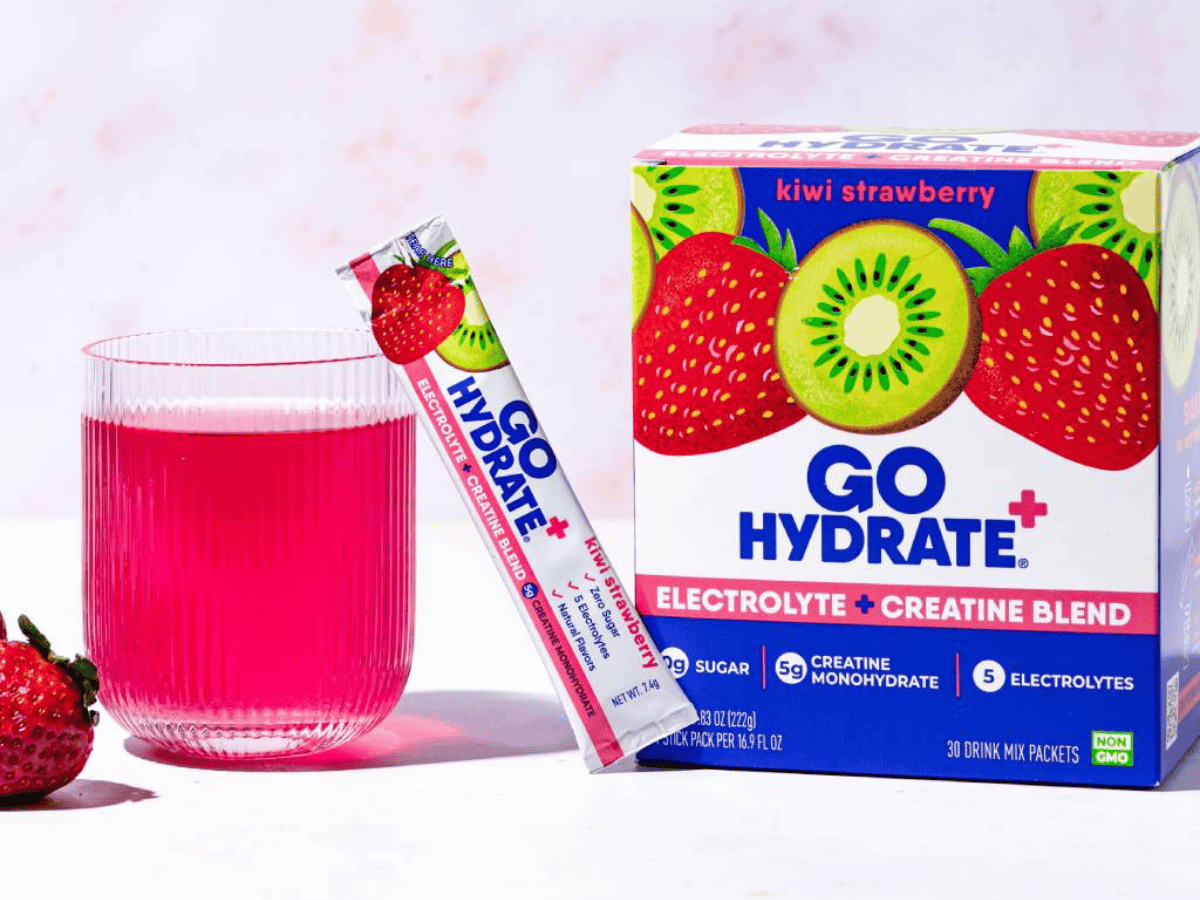
We’re taking a closer look at the creatine water retention myth and whether it really has any truth behind it.
Creatine is one of the most talked about supplements out there, and it’s right up there with protein as a go-to for people who train hard and want to get more from their workouts.
But it’s not only for heavy lifters and gym bros. It can also be a really useful supplement for anyone looking to support strength, performance, recovery, and overall muscle health.
The good news is that creatine is also one of the most researched supplements on the market, but the problem is that loads of people are still unsure about taking it because of the myths that keep following it around.
So we’re breaking down what creatine actually is, looking at the benefits of taking it, and getting into the truth behind the creatine water retention myth and the other rumours about it that just won’t go away.
What is creatine
Creatine is a natural compound that your body makes and stores mainly in your muscles. You can also get some from foods like meat and fish, but most of us don’t eat enough of the right foods to properly top up our levels through food alone. Which is why so many people choose to take creatine supplements to top things up.
Creatine’s main job is to help your body create quick energy. It does that by helping with ATP production, which is the energy your cells use for movement, training, and plenty of other jobs going on in the body.
So taking a creatine supplement helps by increasing the amount stored in your muscles, which in turn supports strength, performance, and recovery when you’re training hard.
Creatine Benefits
One of the biggest benefits of taking creatine is that it can help you get more out of your training.
It supports quick energy production, which is a big deal for things like strength, power, and performance during hard efforts such as lifting, sprinting, or repeated high intensity sessions. Research also shows it can help people build more muscle over time, especially when it’s paired with resistance training.
It’s not just something for gym lads chasing bigger lifts either. Creatine can be really useful as we get older too, because it may help improve muscle strength and support better results from resistance training.
It can also be especially helpful for vegetarians and vegans, since people who eat little or no meat tend to have lower creatine stores to begin with.

Backed By Years Of Research
Creatine really is one of the most studied supplements out there, with years of research backing it as both effective and safe.
Despite all that, people are still wary of taking it, because they’re worried about potential side effects.
See, over the years there’ve been various side effects linked to creatine, including kidney problems and hair loss. None of which have ever actually been proven to be true.
But the most common thing you’ll hear people saying is that it can make you gain weight and retain water.
So let’s get into the creatine water retention myth to see if there’s any truth to it.
The Creatine Water Retention Myth
So does creatine cause water retention and weight gain? The short answer is that it can do, but not in the way you think.
Taking creatine can cause temporary water retention because it draws water into your muscles to provide them with energy. But it won’t be a long-term thing and it’s not the reason behind any weight gain you notice.
And that’s really the key thing to understand here, because this is where the myth tends to get a bit twisted.
The reason people still connect creatine with bloating and weight gain is mostly down to the way it used to be taken years ago. Early bodybuilding-style creatine loading usually meant taking high doses several times a day, often with plenty of carbs too.
That kind of approach could result in your weight going up because more water was being held in the body.
Taken at a normal daily dose though, creatine doesn’t usually have that same effect. For most people, it’s not going to leave you looking puffy or feeling bloated.
And if your weight does go up over time, that may just be down to gaining more muscle as the creatine helps boost your training.
So yes, creatine can make you hold on to a bit of water initially, but the old idea that it automatically causes obvious bloating and weight gain is seriously overblown.
Final Thoughts
So now you know the truth about the creatine water retention myth, you should also know that there’s no good evidence to suggest creatine causes excessive bloating or dehydration, and it doesn’t damage the kidneys in healthy people either.
A lot of the worry around creatine comes from old supplement chat that’s been repeated for years, rather than what the research actually says. And when you look at the research, creatine comes out as one of the safest and most well-studied supplements you can take.
So if the creatine water retention myth or the idea of random side effects has been putting you off, hopefully that clears things up. For most people, taking creatine at the recommended dose is a simple way to support strength, performance, recovery, and muscle health without all the drama that seems to follow it around online.
SEE ALSO: Can You Take Creatine and Protein Together? Your Question Answered