Looking for tips on how to recover faster after workouts? We’ve got you covered!
Knowing how to recover faster after workouts can make a huge difference to how you feel, how you train and how consistent you can actually be.
Because as much as we all love a tough session, the work doesn’t stop when you leave the gym. Your body still needs time, fuel, hydration, sleep and a bit of actual care if you want to bounce back properly.
So if you’re tired of feeling stiff, sore and completely wiped after every workout, we’re breaking down our top tips for how to recover faster after workouts that can help you feel better and get back to training sooner.
How to recover faster after workouts
Let’s get into our top tips on how to recover faster after workouts, so you can hit your next session feeling your absolute best.
Eat Your Protein
Your muscles need protein to repair properly after training, so this is one of the first things to get right if you want to recover faster after workouts.
A good target for most people who train regularly is around 1.6g to 2.2g of protein per kg of body weight per day. You don’t need to panic about getting it in the second your workout ends, but having a decent serving of protein within a couple of hours after training is a good shout.
From there, try to spread your protein across the day through meals, snacks or a shake if that’s easier. That way, your body has a steady supply of protein to support muscle repair and recovery.
Don’t Neglect Carbs
While protein is key, it’s not the only thing to think about including in your post-workout meal.
When you work out, your body uses glycogen, which is basically stored carbohydrate in your muscles. So after training, getting some carbs back in can help replenish those glycogen stores and support your recovery.
A good post-workout meal should include carbs and protein, so your body has what it needs to refuel and repair. If you train before breakfast, that could be Greek yoghurt with granola, or later in the day, something like a chicken pasta salad works well.
Eat a Balanced Diet
Recovery isn’t just about what you eat straight after training. Your general diet matters too.
Eating a balanced diet helps protect you against nutrient deficiencies, which can affect everything from energy and performance to how well your body bounces back after hard sessions.
Your immune system plays a big role in how well your body handles training stress, so keeping it supported with a good diet can help you recover more consistently.
So try to get a good mix of protein, carbs, healthy fats, fruit, veg and whole foods across the week, rather than only thinking about recovery when you’re already feeling wiped.
Stay Hydrated
The next tip for how to recover faster after workouts is to make sure you stay properly hydrated.
Hydration makes a huge difference to how well you recover, especially if you’ve been sweating a lot during training.
Your body needs fluids to help transport nutrients, support muscle repair and replace what you’ve lost through sweat. Being properly hydrated can also help reduce soreness, cramping and that heavy, wiped out feeling you sometimes get after a tough session.
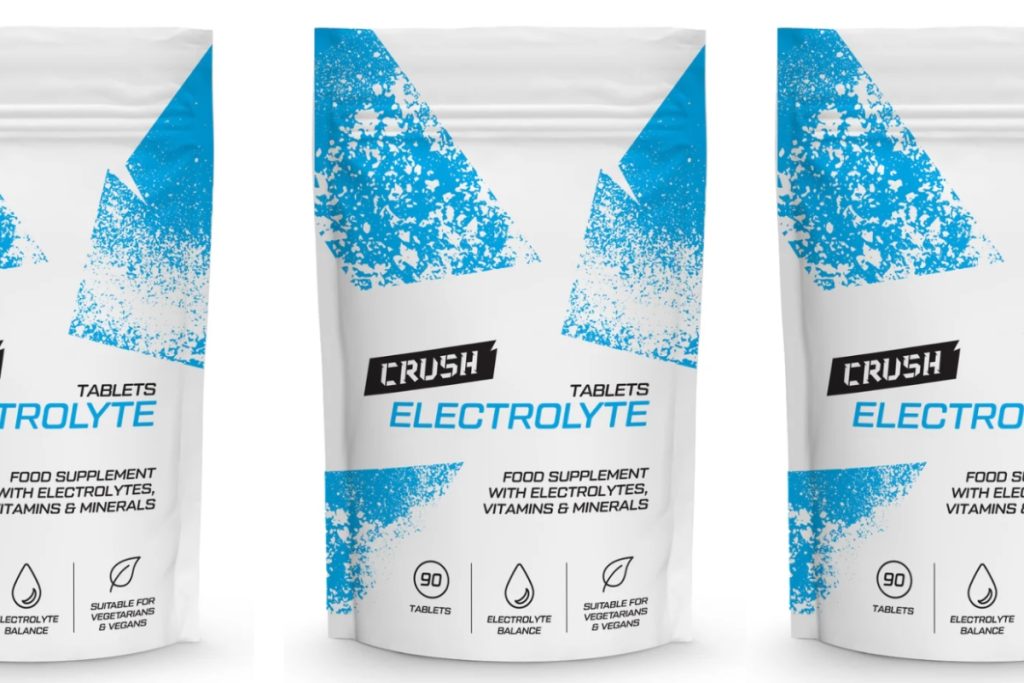
Water is always a good start, but it isn’t always enough on its own, especially after a sweaty workout. Adding electrolytes can help you rehydrate properly by replacing key minerals like sodium and potassium, which can help reduce cramping and fatigue.
To keep things really simple, you can use Crush electrolyte tablets instead of mixing up a powder every time.
Try Recovery Tech
Our next top tip for how to recover faster after workouts is to check out some recovery tech.
Recovery tech can be a handy extra when your muscles are feeling tight, heavy or properly battered after training.
Things like massage guns and compression sleeves can help increase blood flow, reduce inflammation and flush out waste products that build up after hard sessions. Basically, they can help your body feel a bit less stiff and a bit more ready to move again.
We rate Myo Master for recovery tech, especially if you want tools you can use at home between sessions rather than waiting until you’re absolutely ruined to do something about it.
You can use our Myo Master discount code Gymfluencers for 5% off across their website.
Build a recovery supplement stack
Supplements aren’t magic, but they can make recovery a lot easier when you’ve got the basics in place.
Protein is the main one, because your muscles need it to repair properly after training. Creatine is another good addition if you’re training hard, especially because it can support strength, performance and recovery over time.
We rate Purition here because they keep things really simple. Their protein gives you up to 20g of high-quality protein per serving, balanced with healthy fats and fibre from real food, so it feels a lot more like proper nutrition than a random shake.
They also have a Pure Creatine Monohydrate supplement, which makes it easy to cover two of the big recovery basics in one place.
You can get 10% off your order of both the protein powders and the creatine with our Purition discount code GYMFLUENCERSAGENCY.
Get Enough Sleep
Sleep is a massive one for recovery, because your body does a lot of its repair work while you’re asleep.
That’s when your muscles are recovering, your body is dealing with the stress of training, and you’re giving yourself the best chance of feeling fresher for your next session. So if your sleep is all over the place, your recovery probably will be too.
If you struggle to drift off, Neubria Drift can help support a calmer evening routine and make getting to sleep feel a bit easier.
Save 20% on your order with our Neubria discount code GYMFLUENCERSAGENCY.
Try Saunas & Ice Baths
Our last tip for how to recover faster after workouts is to give hot and cold therapy a try.
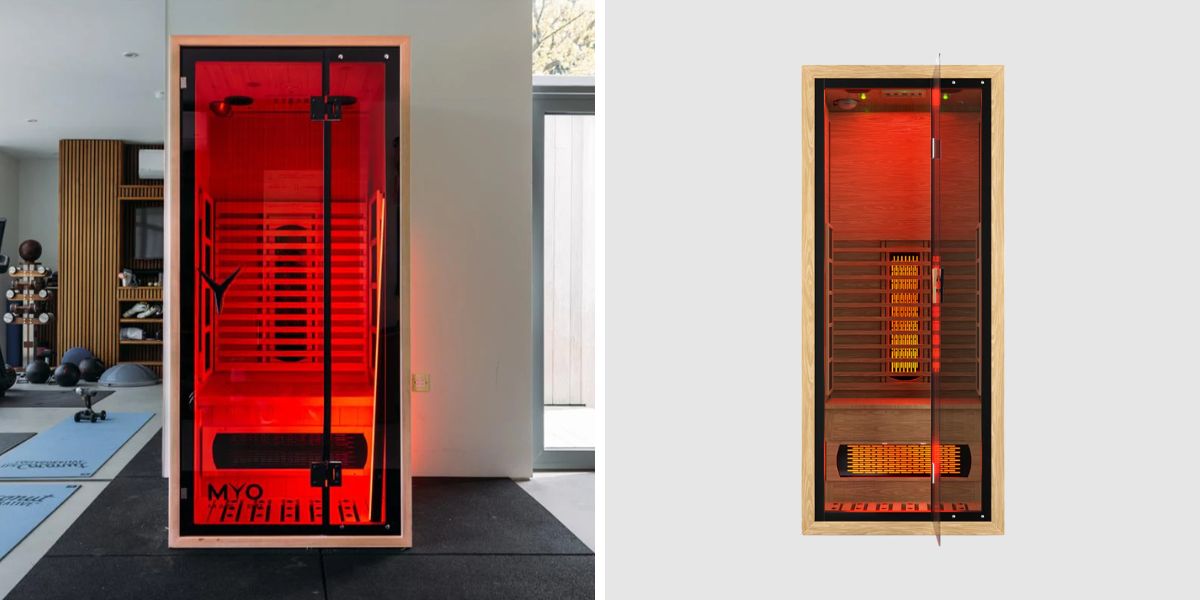
Saunas and ice baths can be useful extras if you’re trying to recover faster after workouts, especially when your body feels sore, heavy or completely wiped after a tough session.
They work in different ways, but both can support recovery. Saunas can help with circulation and relaxation, while ice baths are often used to help with soreness after intense training.
They can also help beyond recovery, with saunas linked to circulation and heart health benefits, while ice baths may support stress, mood and sleep. They’re not essential, but if you’ve already got the basics covered, a sauna session or cold plunge here and there can be a nice extra for recovery.
SEE ALSO: Does Collagen Help Recovery? Here’s What You Need to Know