Our supplement timing guide UK article breaks down the best time to take everything from creatine to collagen.
Trying to work out when to take your supplements can get confusing fast.
One person says creatine has to be before training, for example, then someone else says it should be after, and then you’ve got another person telling you timing doesn’t matter at all.
The truth is, the best time to take a supplement really does depend on the individual supplement.
In some cases, timing can help you get more out of it. In others, being consistent is the part that really matters.
So if you’ve been overthinking your stack and wondering what should be taken when, this supplement timing guide UK is here to make it all a lot easier.
The Supplement Timing Guide UK That Keeps Things Simple
When it comes to supplements, timing isn’t always the most important thing, but it can still make a difference depending on what you’re taking and what you want it to do.
Some supplements are best taken around training, some make more sense with meals, and some are really just about building a routine you can stick to.
So let’s get into our supplement timing guide UK and take a look at the main supplements you might be thinking of using and break down the best time of day to take them.
Creatine
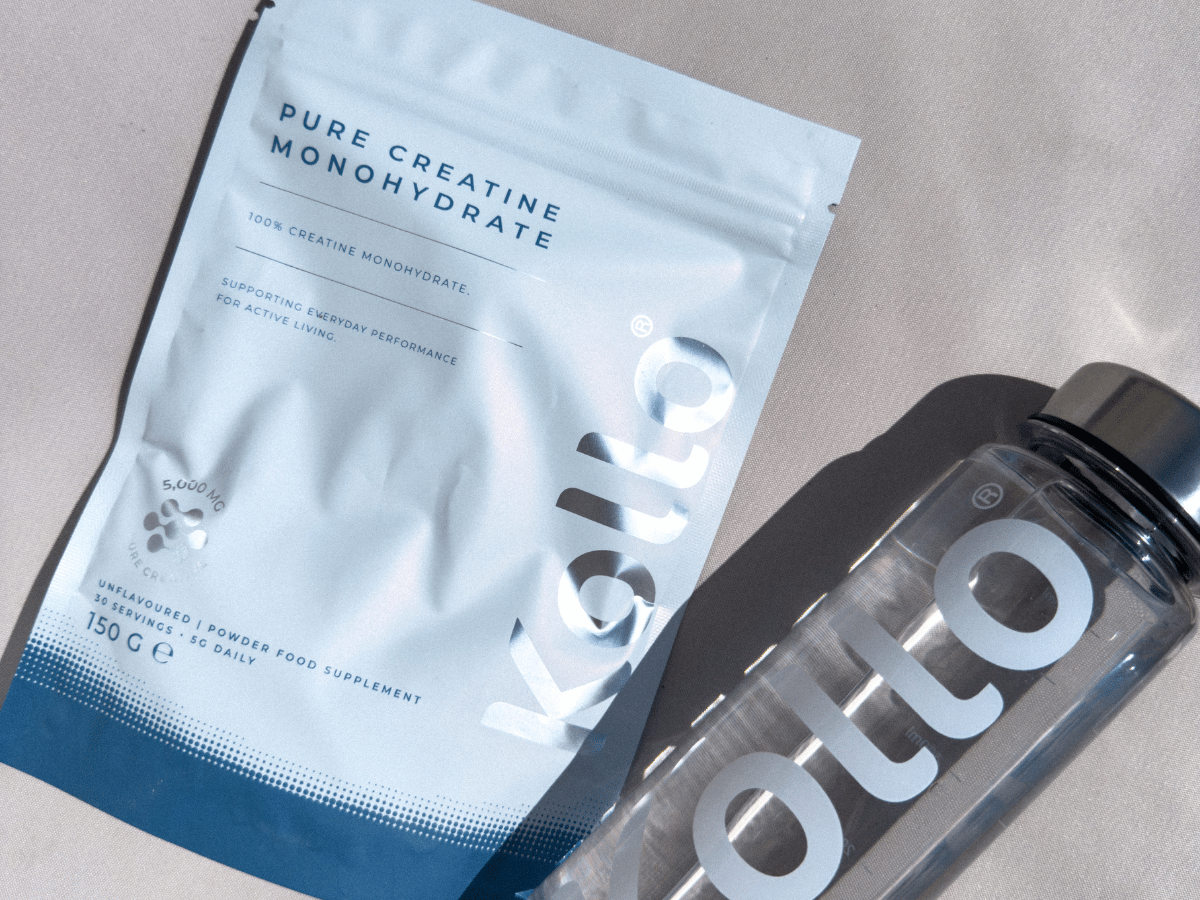
Creatine is one of the most talked about supplements at the moment, and there are lots of opinions flying around about the best time of day to take it.
But really the main thing that matters with creatine is actually just taking it every day.
That daily consistency is what helps keep your muscles saturated, which is where the real benefits come from.
That said, timing can still play a part. Taking creatine before a workout may help support performance, while having it around 30 to 90 minutes after training is often seen as a good option for absorption and recovery.
So if it fits your routine or your goals to take it around your workouts then go for it, but if another time of day suits you better and means you’ll actually remember it, that matters more.
Protein
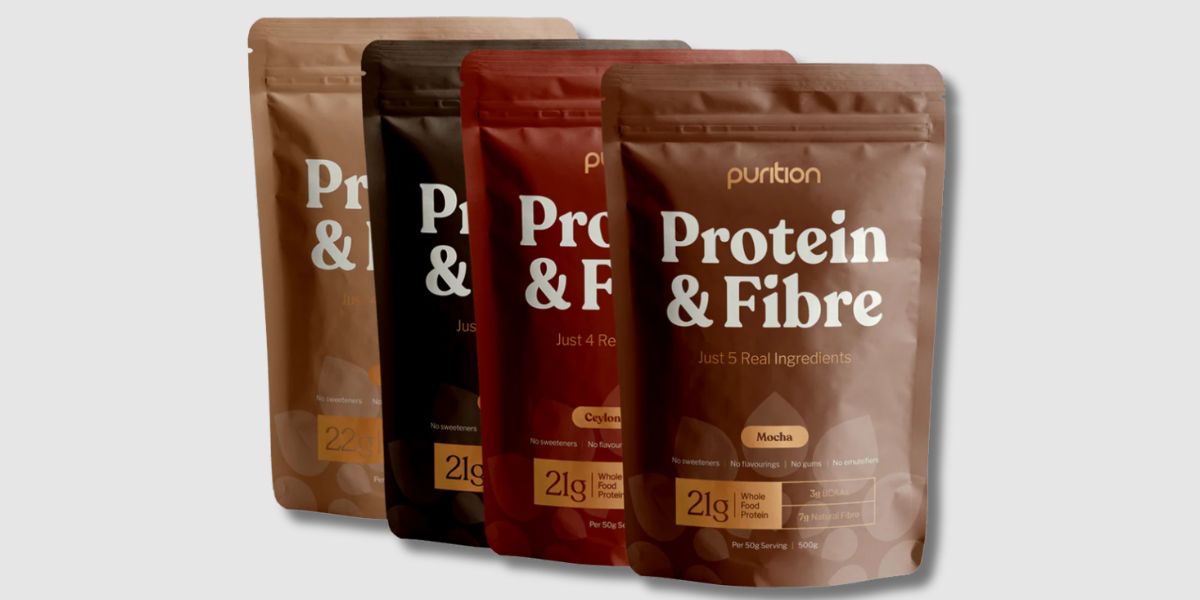
Protein is another one where total intake matters more than perfect timing, but there’s still a good case for having some around your workout.
Getting around 20 to 40g of protein before or after training can help support muscle protein synthesis, and the 2 hours after a session is often seen as a particularly useful time to get some in.
That doesn’t mean everything falls apart if you miss that window, but it’s still a smart habit if muscle recovery and growth are the goal.

Electrolytes
The best time to take electrolytes is when your body actually needs them, which is usually after sweating. That’s why post-workout is such a good time to use them, especially after hard training, longer sessions, or anything done in hot weather.
They can also be really useful first thing in the morning. If you wake up feeling a bit flat or dehydrated, getting some electrolytes in early can help you feel better a lot quicker.
And if you want faster rehydration after training, a bit of sugar can actually help with absorption too, which is why drinks like Lucozade aren’t the bad option some people make them out to be.
Vitamins
Vitamins are a bit different because the best time to take them depends on the type.
Fat soluble vitamins like A, D, E, and K are best taken with a meal that contains some fat, so your body can absorb them properly. That makes breakfast, lunch, or dinner a much better time than taking them on an empty stomach.
Water soluble vitamins like vitamin C and the B vitamins are more flexible and can be taken at any point, though morning often works best. That’s especially true for B vitamins, since they support energy production and probably aren’t what you want to be taking right before bed.
Pre-Workout
Pre-workout is one of the easiest ones to time because it has a very clear job to do.
In most cases, taking it around 20 to 30 minutes before training is the sweet spot. That gives the ingredients enough time to kick in so you feel the effects as your session starts, rather than halfway through it.
If you take it too early, you might feel like the buzz has worn off before you even get going. Too late, and you’re waiting around for it to do its thing.
Keeping it in that 20 to 30 minute window tends to work best for most people.
Collagen
Collagen is a real ‘anything goes’ supplement when it comes to timings.
Morning can work well if you want to make it part of your usual routine and just get it done early. Evening can work just as well too, especially if you like the idea of taking it as part of your overnight recovery routine.
So this one really comes down to what fits your day best. If taking it in the morning means you’ll remember it every time, do that. If evening suits you better, that’s fine too.
Final Thoughts
A lot of supplement timing advice gets made to sound more complicated than it needs to be. In reality, some products do work best at certain times, but for a lot of them consistency still matters more than chasing the perfect minute on the clock.
So if you want to get more from your stack, hopefully this supplement timing guide UK has made it easier to work out what actually needs timing and what just needs consistency.
SEE ALSO: Debunking the Creatine Water Retention Myth