Unless you’ve been living under a rock, you’ll have seen people all over social media putting biscuits into their yoghurt to make Japanese cheesecake.
So, what’s the deal?
What is a Japanese cheesecake?
Let’s be honest – this isn’t really a cheesecake at all.
Despite its name, it’s actually a concoction of yoghurt and biscuits.
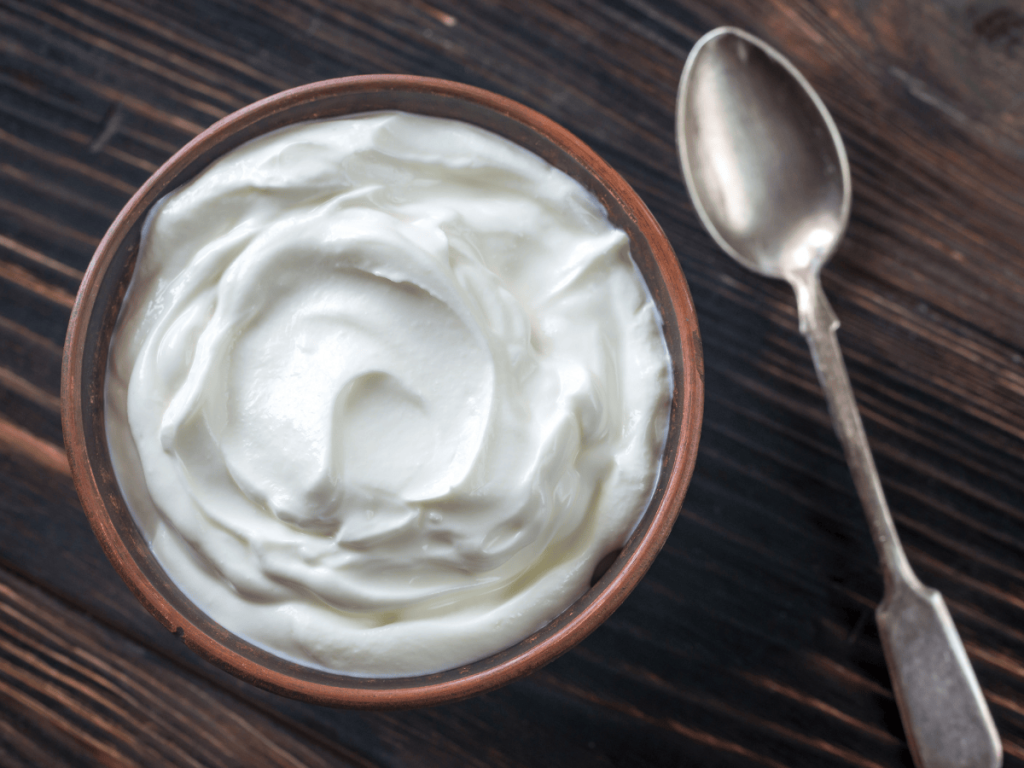
The trend was made popular by social media users in Japan, creating an easy-to-prep, ‘healthy’ cheesecake combining Greek yoghurt and French Sablé cookies.
They then leave the combination in their fridge overnight for the biscuits and yoghurt to blend, creating a cheesecake-like taste and texture.
Why is it so popular?
The trend has quickly spread worldwide, with social media users creating their own combos with different-flavoured yoghurts and biscuits (Lotus Biscoff appears to be the favoured choice for many), and even adding toppings and sauces.
It’s gained traction as a “hack” for enjoying cheesecake without the effort of assembling, baking or buying it, appealing to those looking for an easy snack.
Is it healthy?
Some users have framed it as a healthier alternative to traditional cheesecake, highlighting yoghurt’s high protein content — although just how healthy it is depends largely on the ingredients you use.
Greek yoghurt provides protein, calcium and probiotics; however, consuming too many sugary biscuits or sweetened yoghurts reduces its health benefits.
Moderating the biscuits and sticking to plain Greek yoghurt (and steering clear of toppings) makes the Japanese cheesecake a lower-calorie, healthier alternative to the traditional version.
Certain yoghurts, such as FAGE’s 0% tubs, will also help you ramp up the protein while limiting fat.

SEE ALSO: First Teaser Revealed for Upcoming Neutonic Focus Pouches